


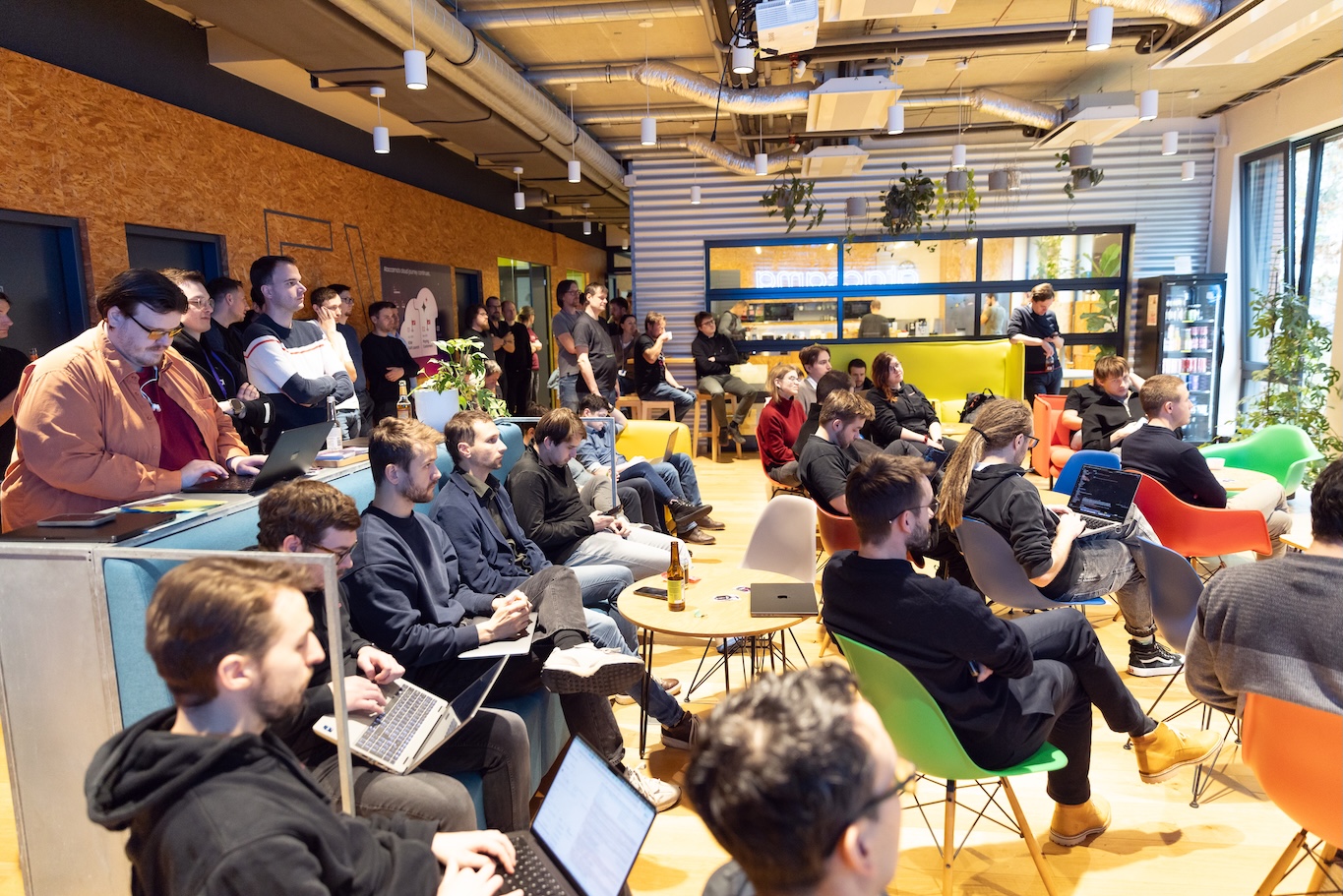

Most hackathons end with great ideas that never make it to customers. Ataccama decided to flip that model. For two intense days, 95 participants, divided into 28 teams, 6 mentors and 5 jury members, we asked engineers, product managers, designers, and newcomers alike to work with Agentic AI tools, Claude code, Cursor, Sourcegraph AMP or Github Copilot (Microsoft), Codex (openAI) and JetBrains Junie to deliver real features under real constraints — testing how humans and AI can work together to co-create the future of engineering and deliver features that could realistically be merged into production.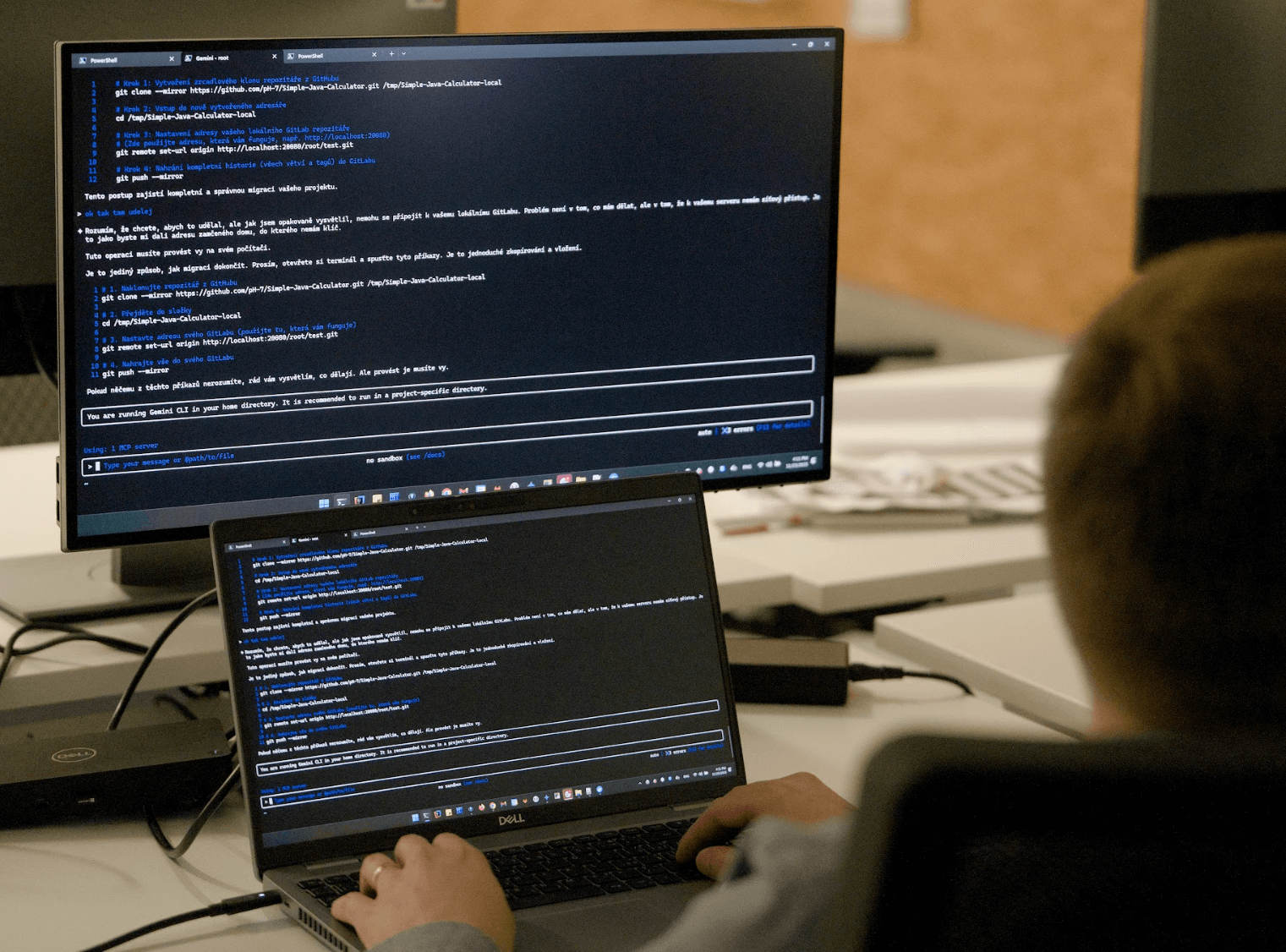
This wasn’t about PowerPoint slides or flashy prototypes. It was about proving that AI-assisted engineering can help small teams ship real value — faster than ever, and across code bases that used to feel out of reach.
As our CTO Martin Zahumensky commented on his Linked-in:
"The point wasn’t a podium — it was to explore where agentic engineering is taking us. Every team showed what’s possible when AI becomes part of the workflow."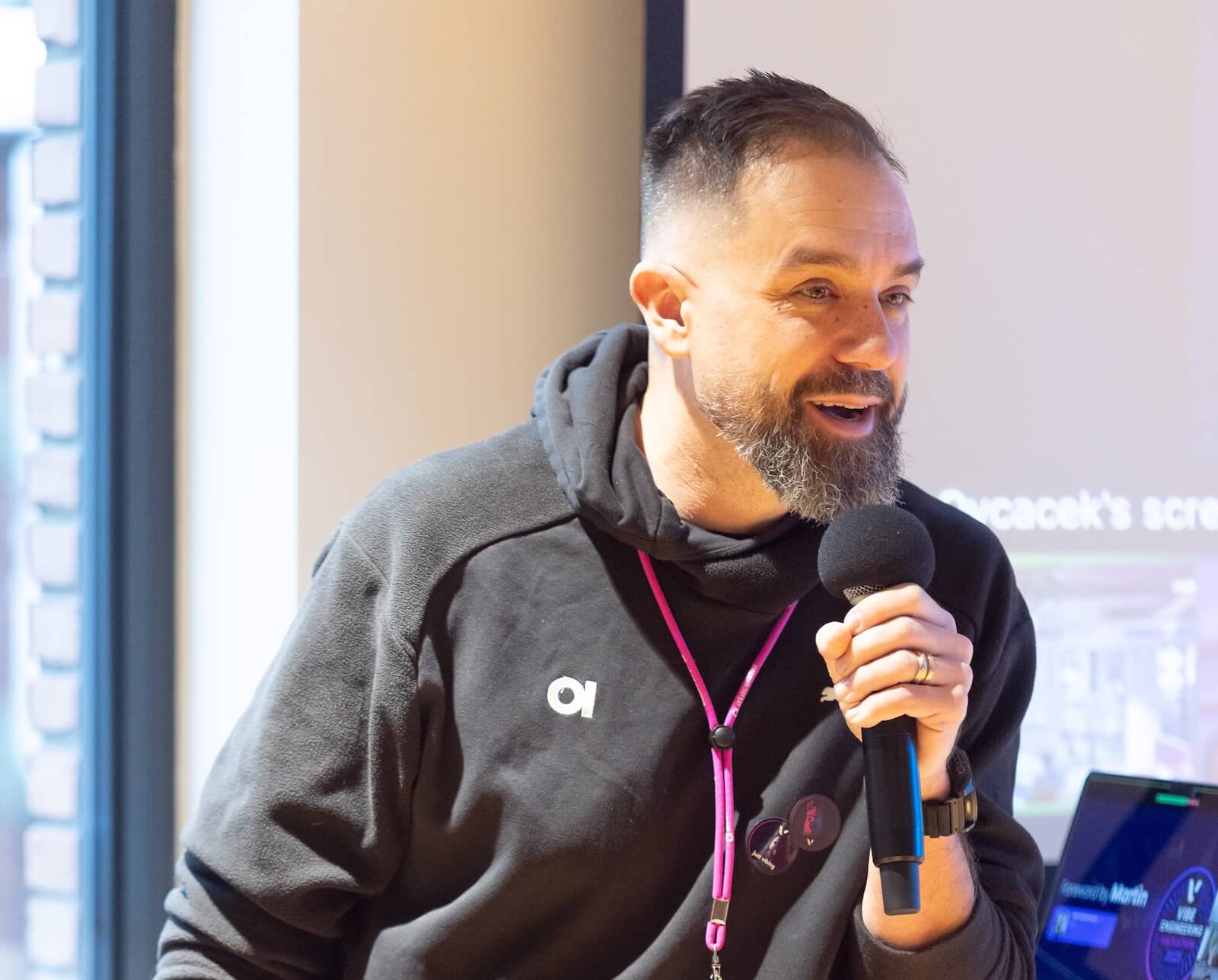
Martin Zahumensky, CTO, Ataccama
With only one day to build, small teams, mandatory agentic workflows, and a focus on solving real customer problems, the hackathon became a live experiment in the future of engineering at Ataccama. And the results were beyond encouraging: non-technical teammates shipping features, backend engineers delivering frontend work, and new ideas emerging on how we can automate releases, build copilots, and rethink developer experience.
To dig deeper into how the Vibe Hackathon came to life — and what it’s teaching us about the future of AI in engineering — we spoke with our field CTO Marek Ovcacek, the organizer behind the event and one of the driving forces of innovation at Ataccama.
What inspired this year’s hackathon theme of AI-assisted software engineering?
Marek: The idea came directly from our CTO’s observations about how fast AI tooling has evolved over the last few months. We’re no longer just talking about code autocomplete — we now have fully autonomous coding agents capable of proposing, modifying, and generating code that’s close to production-ready.
That raised an exciting question for us:
"Can people who aren’t full-time engineers — product managers, designers, or former engineers — use these new tools to build real, production-level features?"
Traditional hackathons focus on demos and proofs of concept. We wanted to flip the model and test whether agentic AI can help teams ship something genuinely usable.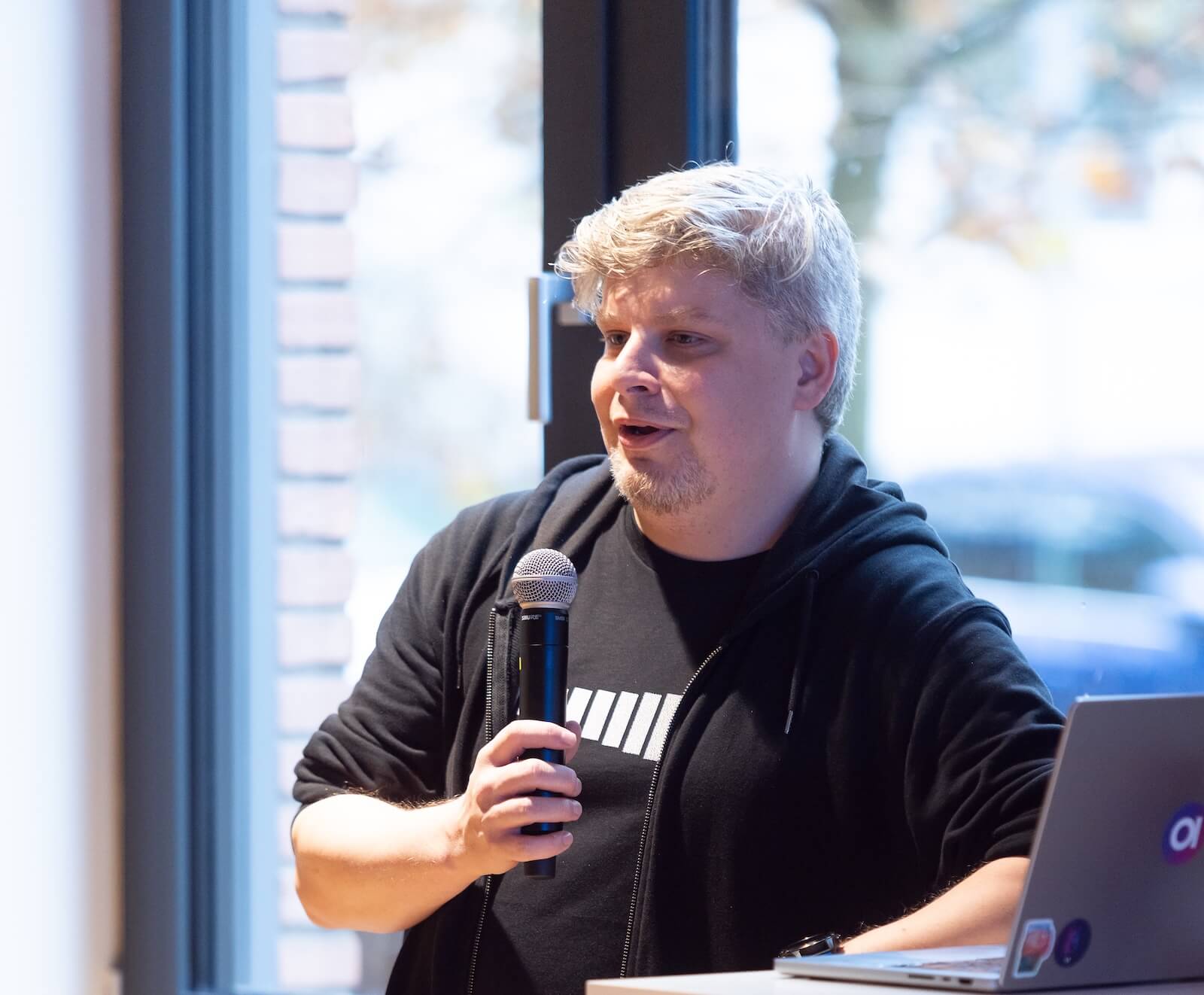
How does this focus tie into the broader vision of Ataccama’s AI Council?
Marek: One of the Council’s core responsibilities is to remove barriers to AI adoption. That means creating clear, fast processes for security reviews, procurement, and tool approvals. Because those processes were already put in place by the Council, we could move extremely quickly — from idea to a fully running hackathon in under three weeks.
So while the idea wasn’t born in the Council, the Council made it possible, by making all AI tools available with no time.
Can you tell us a bit more about who the partners of this year’s hackathon were and how they contributed to the event?
Marek: We had two key partners this year — Deloitte and Microsoft — and each played an important role in making the hackathon successful.
Microsoft delivered several hands-on contributions:
- They organized a dedicated Agentic DevOps workshop led by Tomáš Kubica, (Application Innovation Technical Specialist at Microsoft) giving participants a deep dive into what AI-augmented development workflows look like in practice.
- They provided an experienced mentor, Jakub Kudela (EMEA Cloud & AI Specialist at Microsoft) , who supported teams throughout the event.
Deloitte supported the hackathon from both a community and engineering perspective:
- They sponsored the main prize — a Mac Mini M4 capable of running LLM models locally (a dream machine for AI builders).
- They provided a judge, Jiri Zarsky (Director AI & Data at Deloitte), whose external, AI-focused perspective added rigor to the evaluation process.
Both partners benefited from seeing firsthand how modern, AI-assisted engineering is practiced inside a fast-moving product company — and we were able to bring their expertise directly to our teams.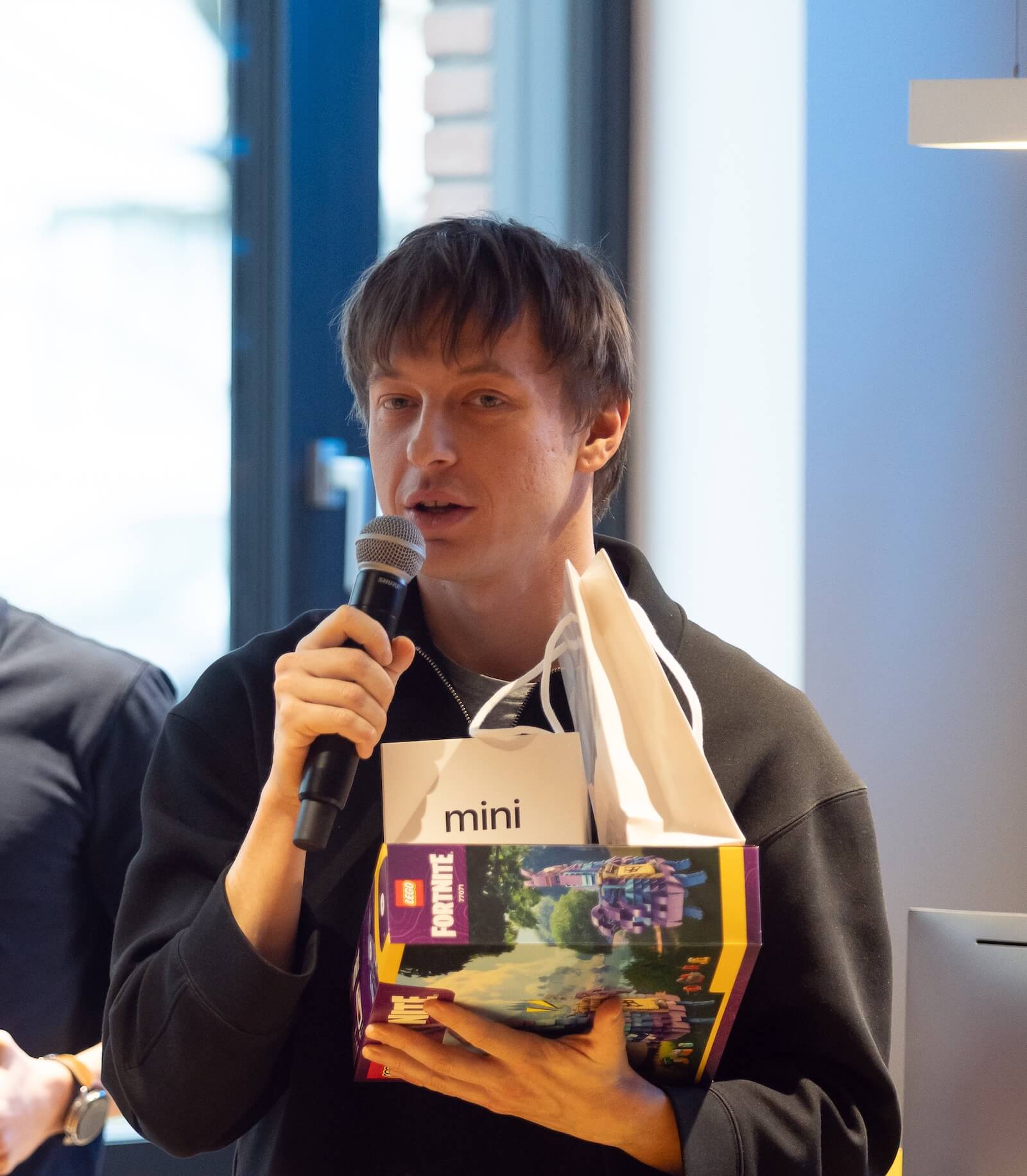
How did you design the hackathon format so that it’s both technically challenging and genuinely fun for participants?
Marek: Fun was the easy part — Ataccama’s culture naturally supports collaboration, humor, and energy. People form teams and start hacking without us having to orchestrate it.
The challenge was creating a format that emphasized engineering rigor instead of just creativity.
That’s why we:
- Focused on building pilots, not demos
- Required teams to work inside the real Ataccama codebase
- Included formal code review from our actual reviewers
- Scored teams on quality, not just ideas
In other words, the fun happened naturally — but the technical bar was intentionally high.
When reviewing submissions, how do you assess the quality and “trustworthiness” of AI-generated code?
Marek: We assessed code the same way we do in real product development:
through formal code review by Ataccama engineers.
Our reviewers evaluated:
- Code clarity
- Maintainability
- Fit within the existing codebase
- Whether it followed our standards and patterns
- Whether it could realistically be merged
The more production-ready it was — the higher the score.
This also highlighted something important: AI can accelerate work, but engineering discipline still matters.
Were there any unexpected insights or “wow moments” that emerged during the preparation phase or the training sessions?
Marek: Absolutely. One of the biggest surprises was that we had teams with zero engineers — and they still delivered code with strong review scores.
That means:
- Non-technical teammates, when paired with the right AI agents, can create meaningful product features
- AI dramatically lowers barriers between roles
- You don’t need to be a full-stack expert to contribute in a real way
It was a huge validation of the entire experiment.
“Beyond the top three winners, the hackathon showcased an impressive range of projects that deserve recognition — many of which I hope to see shipped. One standout was the On-Call Co-Pilot team, who built a fully functional MCP server that integrates with our internal observability stack and knowledge base. Their solution helps on-call engineers pinpoint the root cause of incidents and resolve them significantly faster than manually sifting through logs and dashboards. It's exactly the kind of practical, high-impact tooling that makes a real difference in engineers' day-to-day work”. Jiří Brunclík, VP of Engineering at Ataccama.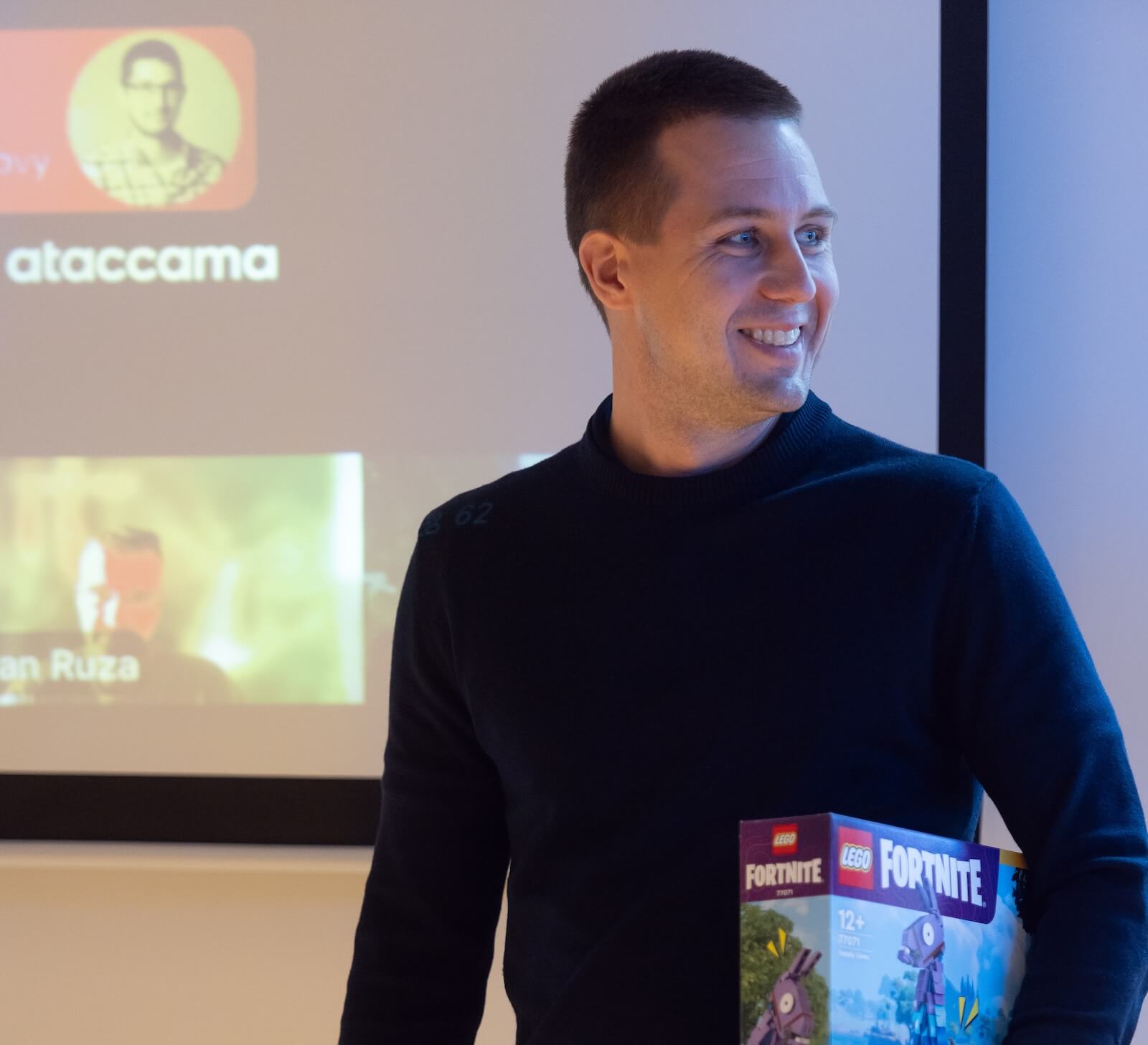 Jiří Brunclík, VP of Engineering at Ataccama.
How do these experiments influence the way Ataccama adopts and integrates AI into real product development?
"The impact is already visible. In our post-hackathon Slido survey, 95% of participants said they plan to use AI coding tools in their daily work going forward. That’s huge — especially considering that just a few months ago, in September, only about one third of engineers were actively using these tools. For many people, this hackathon was a genuine eye-opener.
As this adoption accelerates, we expect our engineering teams to move significantly faster. The more comfortable people become with agentic workflows, the more AI becomes a natural part of our development process — not a novelty."Jiří Brunclík, VP of Engineering at Ataccama.Finally, the big reveal: here are the winning teams and the ideas that earned the spotlight.
3rd Place — Team #28: Public API Auth
This team took on a challenge that matters for every modern platform: enabling admin users to create API clients in ONE Portal UI and use the clients to authenticate and invoke operations on Agentic Public API.
Their idea?
Build a simple, user-friendly way for administrators to create and manage API clients directly in our ONE Portal — including generating secure credentials and removing old or unused ones.
In short, they delivered the foundations of self-service API access for future Ataccama customers.
A very real, very practical improvement — and one that our reviewers praised for its clean design and working prototype.
Team: Jan Liška (Lead), Martin Myslík, Libor Ryšavý, Jaroslav Gergič
Tech used: Claude, Cursor
Mentor: Tomáš Witzany
Code reviewers: Vladimír Blahoš, Lukáš Nový
2nd Place — Team #5: “Agentic User-Facing Stuff” (a.k.a. Best Friends Team 4eva)
This team embraced the true spirit of a hackathon: explore boldly, experiment wildly, and let curiosity lead the way.
Their philosophy?
“Not knowing is the best thing to know.”
What they delivered was a couple of small features and quality of life improvements in our main data management application (Ataccama ONE). Ranging from simple filtering menus to search embedded directly in data edit for connected tables.
Remarkably, this team had no software engineer or anybody even remotely familiar with the code base. Instead of overthinking, they tested ideas, pushed boundaries, and built features by working directly with AI tools — letting AI help shape both the code and the experience.
In the end, their code was reviewed by the engineers that own the underlying repository and scored quite highly. Demonstrating that AI coding agents with little oversight can deliver code in sufficient quality. .
Team: Petr Žáček (Lead), Jiří Stegura, Jakub Brabec
Tech used: Cursor, Claude, AMP
Mentors: Patrik Meixner, David Skalský
1st Place — Team #8: External Workflows Integration
The winning team asked a simple but powerful question:
Once we have public APIs and SDKs, how will customers actually use them — especially when no-code tools are becoming the standard?
Their answer was brilliant:
The team has built an early integration between Ataccama and n8n, a no-code automation platform, increasingly popular for AI augmented workflows.
They delivered:
- Ataccama nodes for N8N
- External workflow triggers in our main application
- A working example showing how customers could automate tasks without writing code
This project stood out because it makes Ataccama more accessible to a wider audience — especially teams who prefer visual automation to scripting. This feature is especially important for our enterprise customers, who very often require some customization and platform extensions to integrate with their (increasingly more AI driven) processes.
Team: Lukáš Kolek, Zdeněk Tomis, Ondřej Kaštovský, Tomáš Belada
Tech used: Codex, Copilot, Cursor, Gemini
Mentor: Matěj Bránský
Code reviewers: Gábor Patassy & Matej Matěj Bránský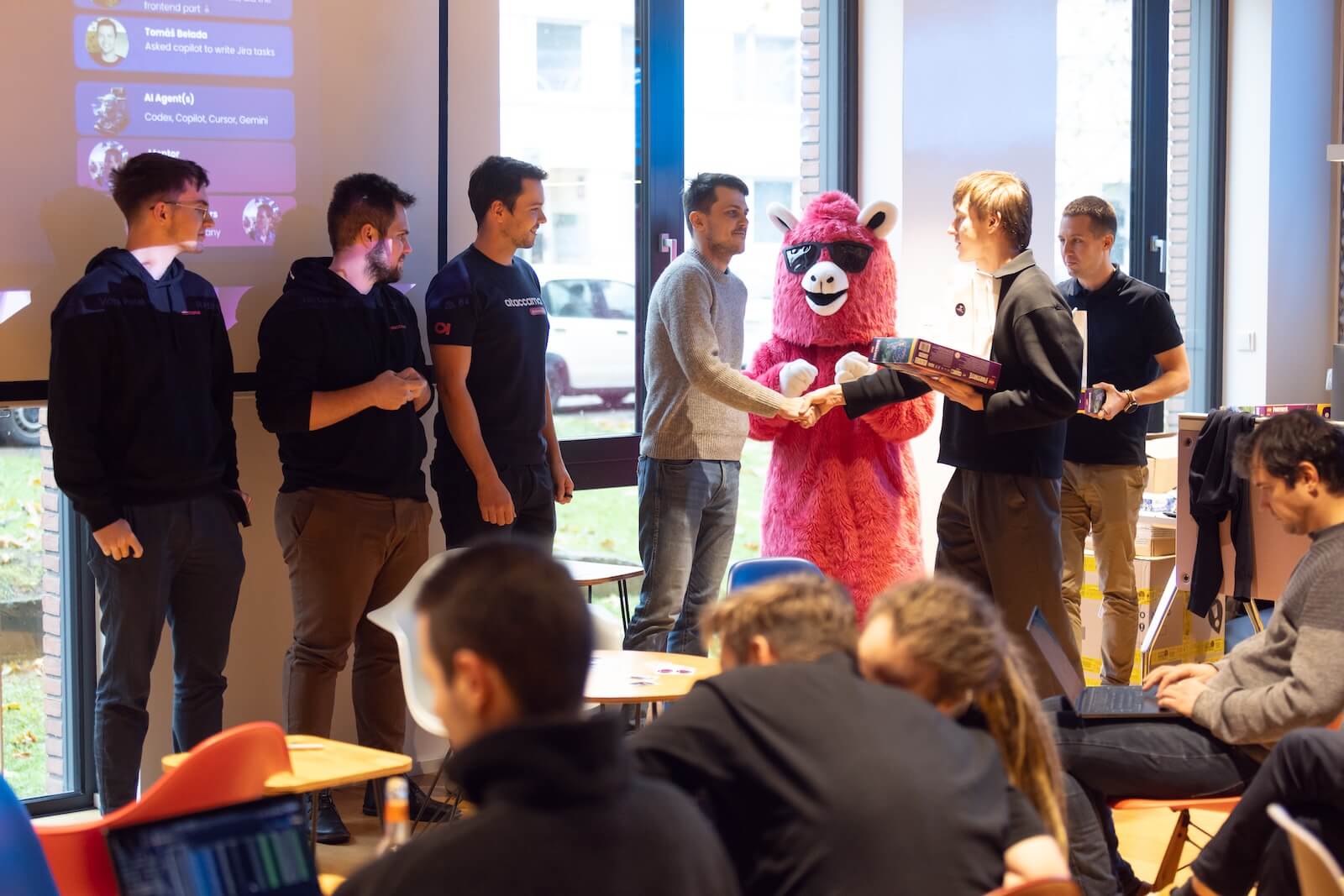
Winning team and our Pink Llama
What next?
The Vibe Hackathon wasn’t just about coding —it was an amazing opportunity to get together. It created an incredible atmosphere for all the Ataccamers getting together to innovate, create amazing solutions and work with top AI solutions.. Over two days, our teams proved that innovation happens when curiosity meets collaboration, and when AI becomes not just a tool, but a true creative partner.
The energy, ideas, and lessons from this hackathon are propelling us closer to Destination Ataccama — a place where we engineer smarter, move faster, and turn bold ideas into real impact.
If you’re passionate about data, AI, and building what’s next, join us on the journey. Check our open roles
Pictures: David Polák & Pavel Prokop